Galgotias University's iOS Journey: Setting New Standards in Student Innovation
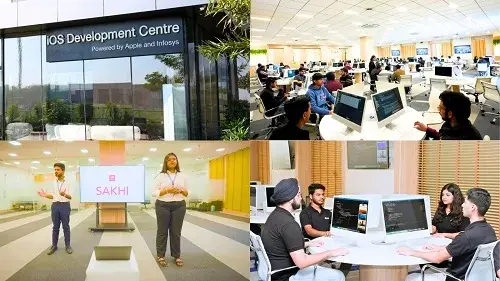
Galgotias University has made headlines by enabling its students to publish an impressive 34 apps on the Apple App Store. These apps span a diverse range of fields, including artificial intelligence, healthcare, education, and social initiatives. Backed by both Apple and Infosys, the university's iOS Student Developer Program is not just a training ground—it's a thriving innovation ecosystem. But what makes this story truly exciting for tech learners is the unique blend of mentorship, hands-on experience, and real-world impact.
How Galgotias University Builds an iOS Innovation Culture
The university’s approach to iOS development is far more than classroom lectures. Students are immersed in practical projects, collaborating with industry mentors and peers. They learn how to turn an idea into a fully functional app and navigate the process of submitting it to the Apple App Store. This environment encourages experimentation and problem-solving, essential skills for any aspiring developer.
- Mentorship: Experienced professionals from Apple and Infosys guide students through the challenges of app development.
- Collaborative Learning: Students work together on projects, sharing feedback and refining their apps.
- Real-World Exposure: Publishing on the App Store means their work is visible globally, bringing recognition and valuable user feedback.
Why This Matters for Tech Learners
Galgotias University’s success demonstrates how hands-on learning, industry support, and mentorship can accelerate skill development. For tech learners everywhere, it’s a reminder that theory alone isn't enough—building, testing, and deploying real applications is what sets you apart. The university’s students aren’t just learning to code; they’re learning how to solve real problems, work in teams, and launch products.
What Beginners Can Take Away
If you’re just starting out in app development, Galgotias University’s model offers valuable lessons:
- Start Small: Begin with basic projects and gradually increase complexity. Every app you build, no matter how simple, teaches you something new.
- Seek Mentorship: Find experienced developers who can guide you and offer feedback. Online communities, local meetups, or university programs can be great resources.
- Publish Your Work: Don’t be afraid to launch your apps, even if they’re not perfect. The feedback you’ll receive is invaluable for growth.
How to Learn iOS App Development
- Explore Swift: Apple’s Swift programming language is the foundation of modern iOS development. Free resources are available on Apple’s website and platforms like SupportMeTechs.
- Join Developer Communities: Online forums, Discord servers, and local coding clubs can connect you with mentors and collaborators.
- Build Real Projects: Practice by creating apps that solve problems you care about. Aim to publish at least one app, even a simple one, to experience the full development cycle.
The Impact: Recognition and Opportunity
Notably, 18 Galgotias students won the prestigious Apple Swift Student Challenge in 2026, further validating the strength of their learning environment. Such achievements can open doors to internships, jobs, and even entrepreneurship. The visibility and credibility gained by launching apps on the App Store is hard to match.
Practical Takeaways for Aspiring Developers
- Engage in Hands-On Learning: Theory is important, but real projects teach you how to solve practical problems and adapt to user needs.
- Find a Supportive Community: Whether through your school, online platforms, or industry partnerships, collaboration accelerates learning and innovation.
- Don’t Wait to Launch: Publishing your work, even as a student, can give you a head start in your tech career and help you build a portfolio that stands out.
Galgotias University’s example shows that with dedication, mentorship, and the right support, students can achieve remarkable success. Whether you’re part of a university program or learning on your own, these principles apply everywhere—start building, seek feedback, and aim for impact.