Malta’s Light Rail: The Future of Transport or Just a Dream?
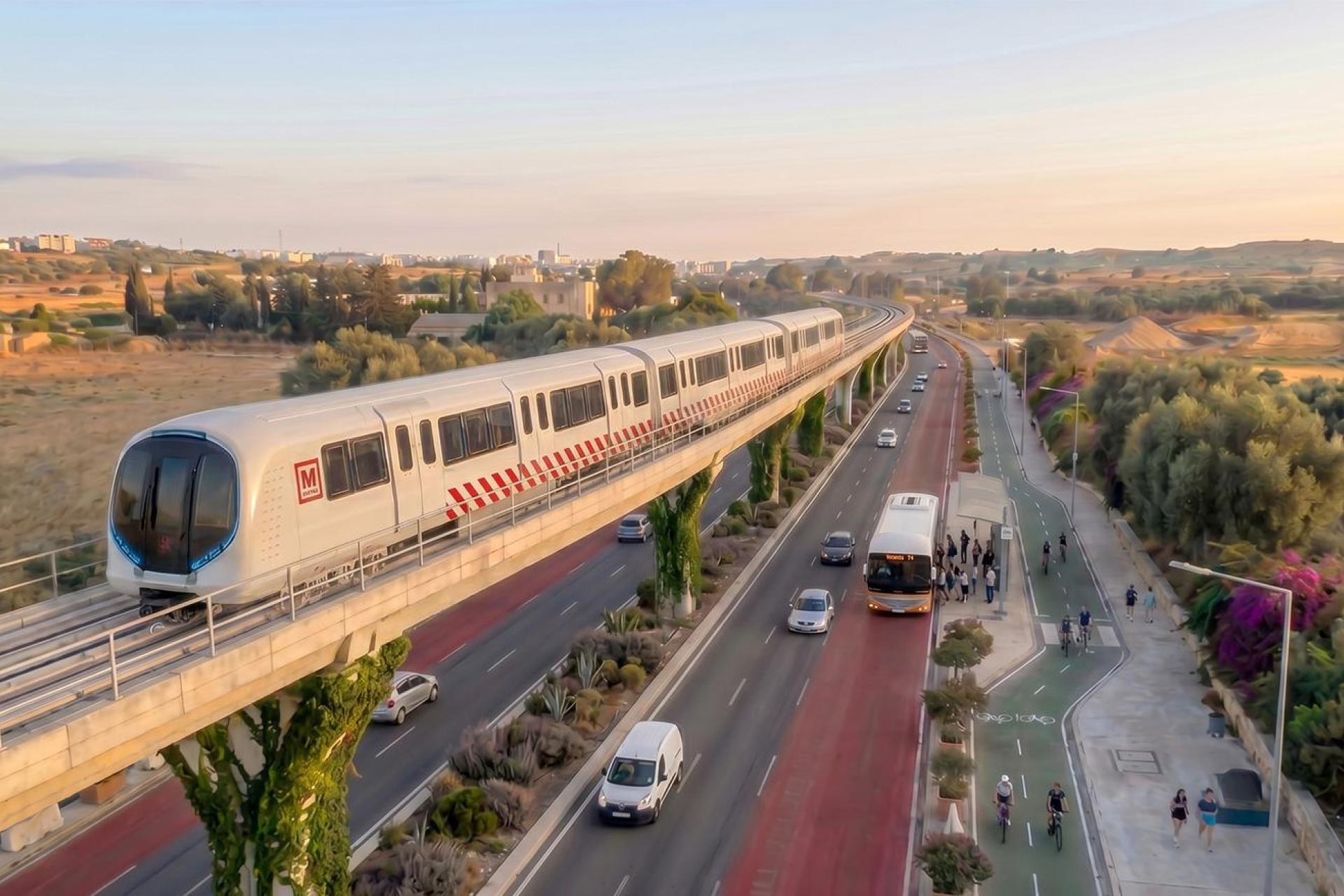
Malta is gearing up for a transformative leap in public transportation by exploring a new light rail system designed to integrate with road, sea, and active transport options. This vision aims to streamline urban mobility, reduce congestion, and support sustainability. But before the first tracks are laid, several pivotal questions linger that will shape both the project’s success and the learning opportunities for aspiring tech professionals.
1. How Will the Light Rail Integrate with Existing Networks?
One of Malta’s primary challenges is blending the new light rail with current bus routes, ferry services, and cycling paths. Integration isn’t just about physical connections; it’s also about unified ticketing, real-time data sharing, and ensuring smooth passenger experiences. For tech learners, this brings up fascinating problems in systems engineering, data interoperability, and user interface design.
2. What Technologies Will Power the System?
Light rail projects worldwide are increasingly relying on cutting-edge technologies, including automated trains, contactless payment systems, and smart sensors for maintenance. Malta’s approach could set a new standard for tech adoption in public transport. For those studying transport tech, this is an opportunity to witness and potentially contribute to advancements in IoT, cybersecurity, and AI-driven operations.
3. Will the Project Be Environmentally Sustainable?
Reducing carbon emissions is a major motivator behind Malta’s light rail plans. The choice of energy sources, construction materials, and operational strategies will directly impact the island’s environmental footprint. Tech learners focused on green technology and sustainable design will find Malta’s decisions here particularly instructive as case studies in balancing convenience with ecological responsibility.
4. How Will Accessibility and Inclusivity Be Addressed?
Modern transit systems must serve everyone, including people with disabilities, the elderly, and families. Malta’s planners need to ensure the new light rail is accessible, affordable, and convenient for all residents. This question pushes tech students to think about inclusive design, adaptive technologies, and the social impact of infrastructure projects.
5. What Will the Economic Impact Be?
Launching a light rail line is a significant investment. The return on this investment, in terms of job creation, tourism, and improved productivity, will be closely watched. Tech learners interested in data analysis, urban planning, or economics can track the project’s outcomes, providing real-world lessons in cost-benefit analysis and smart city development.
What This Means for Beginners
If you’re new to transportation technology or urban planning, Malta’s light rail ambitions offer a living lab to observe and learn from. You can follow the project’s progress, study the tech choices made, and even simulate your own solutions to the challenges faced. Whether your interest is in software, hardware, data science, or design, this initiative provides a blueprint for how integrated technology can reshape cities.
How to Start Learning About Smart Transport Systems
- Explore open-source transit data: Analyze how cities share and use data to improve services.
- Experiment with transit apps: Try building a basic route planner or ticketing system using public APIs.
- Study sustainability in engineering: Research how renewable energy and efficient materials are used in modern transit.
3 Practical Takeaways
- Integration is more than just connecting tracks; it’s about seamless user experiences powered by technology.
- Modern public transport demands expertise in IoT, data science, and sustainable design—skills that are in high demand globally.
- Following projects like Malta’s light rail can provide valuable case studies and inspiration for your own tech learning journey.