
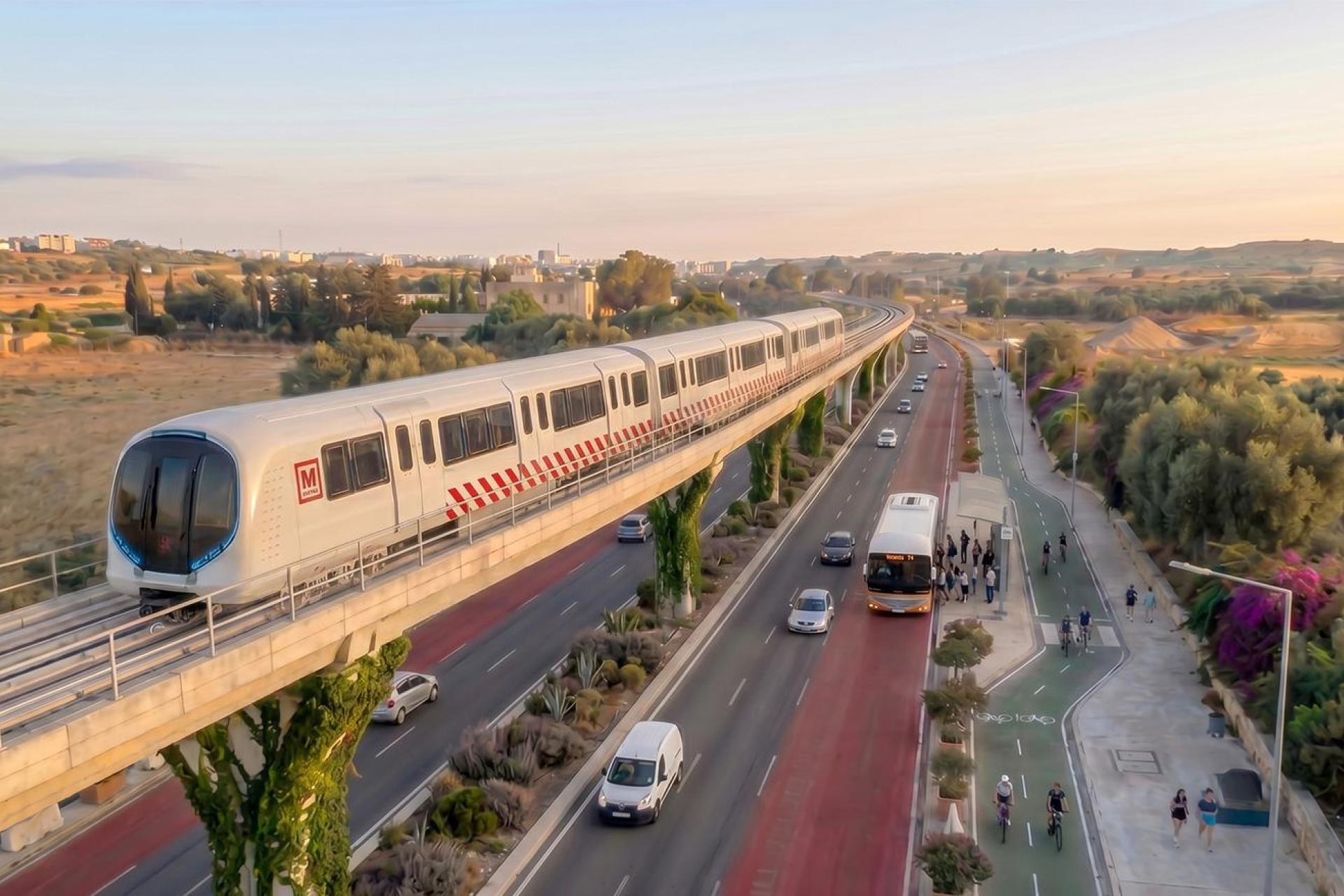
Malta’s Light Rail Vision: A Blueprint for Modern Urban Mobility
Malta is setting its sights on a transformative light rail system designed to weave together roadways, waterways, and pedestrian pathways into a seamless transport network. This bold initiative aims to revolutionize how people move around the island, addressing congestion, sustainability, and urban livability. But as with any ambitious infrastructure project, there are critical questions and considerations that both planners and tech learners should keep in mind.
Understanding the Challenge: Why Light Rail?
Urban centers worldwide are grappling with traffic gridlock, pollution, and overburdened public transit. Malta’s light rail proposal is a response to these challenges, promising streamlined commutes, reduced carbon footprints, and a new era of smart city integration. But for the project to succeed, planners must make informed decisions rooted in technology and community needs.
Five Critical Questions for Malta’s Light Rail Success
- 1. How will the light rail integrate with existing transport?
A truly connected city hinges on seamless transitions between buses, ferries, bikes, and trains. Malta’s project must ensure that schedules, ticketing, and routes work together, leveraging technology like unified apps or contactless payments for a frictionless rider experience. - 2. What technologies will power the system?
Modern light rail isn’t just about tracks and trains—it’s a showcase for smart sensors, real-time data, automation, and sustainable power sources. The choices Malta makes here will shape operational efficiency and passenger satisfaction for decades. - 3. How will the network address accessibility and inclusivity?
Everyone should benefit from new transit solutions, including those with mobility challenges. Design decisions around station access, vehicle features, and digital interfaces will determine how inclusive Malta’s system truly becomes. - 4. What steps will ensure financial and environmental sustainability?
Advanced light rail projects require major investment, but the long-term economic and ecological payoffs can be immense. Transparent budgeting, innovative funding models, and green construction practices are essential for public trust and lasting impact. - 5. How will the community be involved in the process?
Public input is vital for successful urban projects. Open forums, digital feedback platforms, and ongoing education campaigns can help align the light rail with real-world needs—and foster local pride in the final result.
What This Means for Tech Learners
Malta’s light rail plan isn’t just a story about trains—it’s a case study in smart city design, systems integration, and digital transformation. If you’re interested in technology careers, especially in urban planning, IoT, or sustainable infrastructure, this project highlights the importance of interdisciplinary skills.
- Systems thinking: Learn how different technologies interact and support each other in a complex network.
- Data-driven decision-making: Explore the role of analytics, sensors, and cloud platforms in optimizing transit operations.
- User-centered design: Study how accessibility, inclusivity, and real-world testing impact the success of tech solutions.
How You Can Start Learning About Smart Transit Tech
Want to get involved in the future of urban mobility? Consider these steps:
- Enroll in online courses about smart cities, IoT, or transportation engineering.
- Experiment with open-source transit simulation tools to understand network design.
- Follow global examples (like Malta) to see how different regions solve similar challenges.
Three Practical Takeaways
- Smart transit projects blend technology, design, and community engagement—mastering these areas opens diverse career paths.
- Seamless integration across transport modes is key to user adoption and satisfaction.
- Staying informed about global trends prepares you to contribute to sustainable, innovative urban solutions.